Ruchi has a long history with Frankston emergency medicine, doing most of her training with our network. She is graduate of KIMS college in Maharashtra, India.
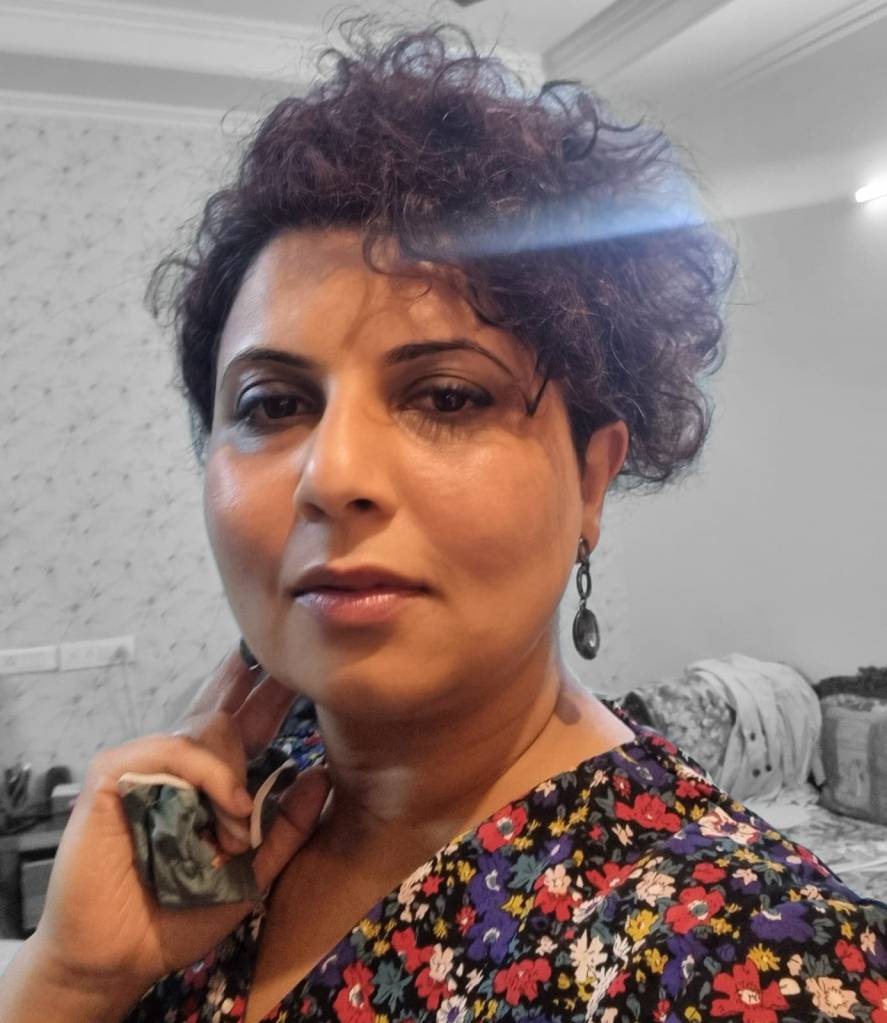
She was successful at her first attempt in the OSCE and now helps future OSCE candidates as part of our faculty. In her spare time, she loves watching suspense, thriller movies or shows and also is a proud owner of a Tesla with a cool number plate ‘Bijlii’ which means ‘Electricity’ in Hindi.
Ruchi, you were very motivated from the start and I remember you practised extensively. Can you talk to us a little bit about how you planned your preparation?
Thanks Abrar, for giving me this opportunity to share my story. A big part of preparation is mindset and your teachers. After passing the written, me and my friend decided to take some time off. We then spoke to recently successful exam candidates about how to approach the OSCEs which of course are very different to written. We first did the MCEM OSCE book to develop a structure for different OSCE topics and studied and reviewed a lot of online videos and then did practice sessions with varied FACEMs. Also booked in for practice test OSCE sessions conducted in various hospitals. Every feed back good or bad, shaped how I did in the next practice OSCE.
Can you give us your top tips for success?
- Be consistent in your practice.
- Take feedback seriously and make changes accordingly.
- Listen to your teachers – they are good judges of whether you are ready or not.
- Everyone has a bad day during practice sessions – don’t let that one bad day dishearten you.
During your practice sessions with the Frankston FACEMs, it was obvious you had a very structured approach and you always had consistency. How can candidates develop this?
Practice, practice, practice – listen to your colleagues, if they are in a different hospital – get them to record some sessions and watch them.
There are lots of resources online – watch them a few times and try and develop your own style. It takes some time to perfect what that style might be.
Read the stem carefully and slowly – There is a reason that question is being asked in the OSCE and try and understand what is the examiner trying to ask you. One of the best advice that I got during a mock OSCE test – ask these three questions
1. Who am I ? – Remember this is a consultant exit exam – You are the consultant not a registrar any more.
2. Where am I ? – About awareness – whether you are all by yourself in a small rural hospital and what resources are available to you. Tailor the answer based on the scenario
3. Why are they asking me this question/ Stem? – What is the main crux of the stem?
This really helped me approach every OSCE question with a framework.
Another pearl of wisdom from one of the senior examiners – OSCE is like another day at work. When you are at work – there are lots of opportunities to teach a intern a cranial nerve exam, discuss a tox patient – think of all these like OSCE scenarios on a day to day basis. On the exam day, it will really feel like another day at work…
Apart from the training we did at Frankston, would you recommend any other resources out there which were useful in your OSCE preparation?
Life in the fast lane videos
Enrol in Mock test conducted by other hospitals
I did the Teemwork course and workshop as well (Don Liew).
Overall , be consistent in your preparation – aim for 3 – 4 days in a week to keep up with momentum.
And then ramp up or down as need be.
Most important – listen to your Teachers and mentors – they are closely observing you every step of the way and take feedback seriously.
All the very best everyone .. You got this !!!

 frankstonosce.org